- Tet marks the transition from the old year to the new,
- It is a sacred moment in the cosmos,
- A time when plants sprout, buds emerge, and flowers bloom in a vibrant display of color,
- Moment when life itself comes into harmony…
- Tet holds a profoundly sacred and solemn place in the spiritual and material lives of the Vietnamese people, both past and present.
Although modern life has gradually altered the ways in which the Vietnamese celebrate Tet and the associated holidays, the customs and traditions that have become deeply ingrained in the culture have not faded away; rather, they continue to be upheld and passed down from one generation to the next. These include rituals for ancestral worship, festivals to commemorate and honor the sages who built and defended the nation, and religious observances that reflect the distinct cultural imprints of various regions. The folk verse, “The first lunar month is a time for celebration…” stems from this very fact, as a great number of major festivals take place during this time of year.
Notable spring festivals include:
1. The Perfume Pagoda (Chùa Hương) Festival:
Timing: The festival begins on the 6th day of the Lunar New Year and continues through the end of the third lunar month.
Location: The Perfume Pagoda Festival is held at the Huong Son scenic complex, located in Huong Son Commune, My Duc District, Hanoi.
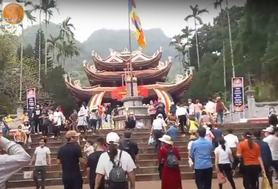


The Huong Son scenic area is characterized by its harmonious landscape of mountains and water—a perfect natural beauty. The Yen Stream winds through the site like a soft silk ribbon, creating a waterway that allows small wooden boats to navigate inward, enabling visitors to explore the surrounding mountains.
Visitors come to Huong Son to experience the harmony between mountains and rivers, and to enter a realm that feels like a Buddhist or celestial paradise on earth. They seek to touch this sacred space, hoping to find inner peace and happiness.
2. Yen Tu Mountains Festival
Time: The festival begins on the 10th day of the first lunar month and continues through the end of the third lunar month.
Location: The festival is officially held at Truc Lam Yen Tu, in Thuong Yen Cong Commune, Uong Bi City, Quang Ninh Province (this area is known as the eastern side of the Yen Tu mountains range).
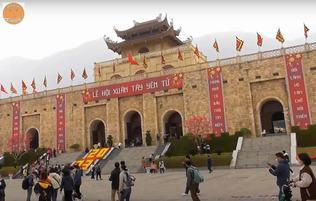
The festival is also observed on the western side of the Yen Tu range, located in Bac Giang Province—a site bearing the historical imprints of King Tran Nhan Tong’s efforts to propagate Buddhism nearly a century ago, featuring numerous temples and precious artifacts that remain well-preserved to this day.
Each year, during the festival, authorities and local residents on both the eastern and western sides of the Yen Tu mountains hold vibrant celebrations to commemorate the merits of the “Buddha-King” (Phật hoàng) and to honor the philosophies and values of the Truc Lam Yen Tu Zen school within the spiritual life of the Vietnamese people. These events also serve to preserve and promote the distinct cultural values of the various ethnic groups that have inhabited the Yen Tu region for generations.
Long before Yen Tu became the cradle of Buddhism, its majestic and magnificent beauty had already led the monarchs of Dai Viet to recognize it as one of the nation’s most prominent and iconic landmarks.
For visitors and Buddhist pilgrims alike, arriving at Yen Tu feels like reaching a sacred realm—a spiritual source—leaving them with a profound sense of fulfillment and satisfaction following their journey through the sacred Yen Tu mountains.
3. Hung Kings’ Temple Festival
– Time: From the 1st to the 10th day of the third lunar month.
– Location: The festival is held at the primary site dedicated to the Hung Kings, located within the Hung Kings’ Temple Historical Site in Phu Tho Province.
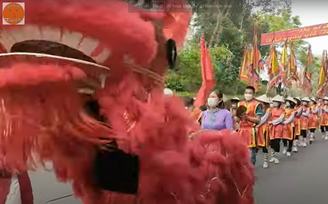
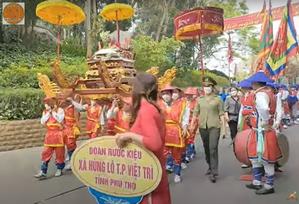
According to the legend of the nation’s origins, the Vietnamese people are descendants of the Dragon and the Fairy. The tale recounts how Lac Long Quan (a dragon) married Au Co (a fairy), who gave birth to a hundred eggs; these hatched into a hundred children, who would later form the first community governed by the Hung Kings. There were 18 generations of Hung kings who laid the foundations of the nation—beginning in the early days, around 2000 BCE—eventually establishing the first Vietnamese state, known as Van Lang, which possessed its own sovereign identity, royal titles, and territory.
The Hung Kings’ Temple Festival has been designated as a national holiday in Vietnam. It serves as an occasion to honor and commemorate the nation’s roots, representing a unique cultural tradition—the worship of ancestors—that is unparalleled anywhere else in the world.
“Wherever you may travel, near or far, remember the Ancestors’ Commemoration Day on the 10th of the third lunar month.”
The Hung Kings’ Temple Festival allows the Vietnamese people, through generations, to honor the contributions of their forebears and ancestors—those who built the nation, defended its borders, and cultivated a Vietnamese civilization spanning over 4,000 years. It fosters a profound national identity, uniting more than 50 ethnic groups that live together as brothers and sisters in Vietnam today.
In the Central region:
4.The “Cau Ngu” (Fish-Praying) Festival in the coastal provinces of Central Vietnam:
– Timing: The date varies by region; each village or commune selects its own day to hold the festival, typically during the first lunar month, following the Lunar New Year (Tet). It is most commonly observed on the day of the full moon in the first lunar month.
– Location: The primary rituals take place at the village communal house (*dinh lang*), while various celebratory activities may be held in the surrounding areas. During this time, local residents often host feasts, coming together to socialize and converse, with the aim of fostering community bonds and strengthening relationships.

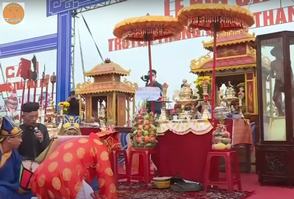
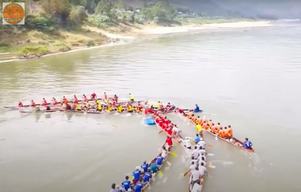
The “Cau Ngu” festival—a ritual to pray for both a bountiful catch and general well-being—serves to honor the ancestors and predecessors who pioneered and protected the land, ensuring a peaceful and prosperous life for the community. It is a time to pray for favorable weather—gentle winds and calm seas—so that fishermen may return from their voyages with boats full of fish.
5. Ba Den Mountain Spring Festival:
– Timing: The festival begins on the fourth day of the Lunar New Year and continues until the middle of the first lunar month.
– Location: Ba Den Mountain Relic Site, Thanh Tan Commune, Hoa Thanh District, Tay Ninh City.
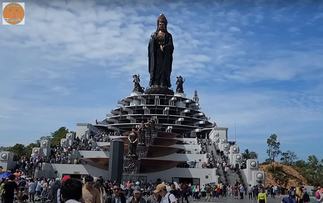
The Ba Den Mountain Spring Festival is an occasion for visitors to enjoy the spring season and embark on a pilgrimage to this sacred land. It holds deep spiritual significance for the local people, who come to seek blessings for good health, success in their endeavors, and general good fortune in life.
The festival is rooted in a legend about a young woman—the daughter of an official—who, to escape a forced marriage, fled to the mountain to pursue a religious life. It is said that she remained steadfast in her devotion, eventually attaining enlightenment; she is now worshipped by the people and was even bestowed the title “Linh Son Thanh Mau” (Sacred Mother of the Sacred Mountain) during the Nguyen Dynasty.
Ever since, people have held an annual festival in the spring to pray for a year of peace, prosperity, and a life of abundance.
6. The Full Moon Festival of the First Lunar Month (Tết Nguyên Tiêu):
Timing: This festival takes place on the day of the full moon in the first lunar month.
Location: In Southern Vietnam, it is observed in traditional commercial areas—such as local markets and neighborhoods with a significant ethnic Chinese-Vietnamese population—as well as at various Buddhist temples throughout Ho Chi Minh City.
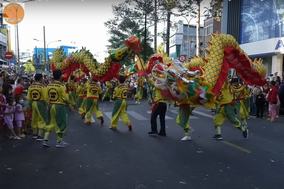
On this day, Ho Chi Minh city residents flock to temples to pray for a prosperous new year and good fortune in all endeavors. Depending on their personal aspirations for the year ahead, individuals may prepare offerings and visit sacred sites where they place their faith; at the same time, they strive to live and act in alignment with their spiritual beliefs, seeking a life of happiness and peace.
Thank you for reading! Please feel free to share your feedback to help us improve this article, or explore our spring tours to gain a deeper understanding of the rich and vibrant lives of the Vietnamese people.
Leave a Reply